
GPS devices, radars, plot-systems and autopilots, which are necessary for safe navigation and modernization of fishing vessels, could still be financed from the European maritime, fisheries and aquaculture Fund, said Costas Kadis, European Commissioner for fisheries.
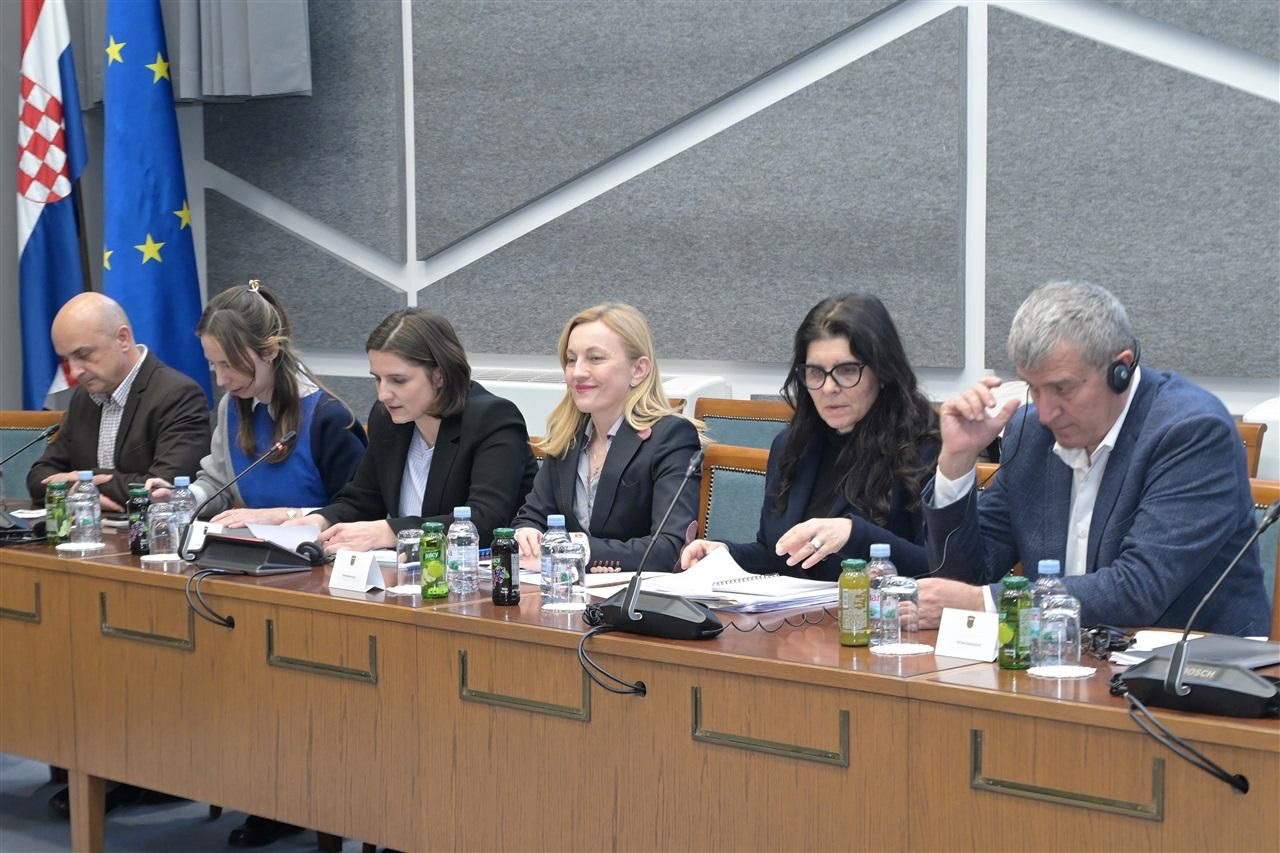
This is a response to a question from Petar Baranović, an external member of the Committee on Agriculture and a graduate in marine fisheries engineering, on the financing of safety and navigation equipment for Croatian fishermen, raised at the last meeting of the Committee in the Croatian parliament.
Member of the European Parliament Gordan Bosanac, member of the Greens/ESA political group formerly this year referred a parliamentary question to the European Commission, asking for clarification and the possibility of financing safety and navigation equipment for Croatian fishermen. These are GPS devices, radars, multifunctional plotters and autopilots that serve exclusively for the safety of navigation and reduction of fuel consumption, and not to increase the fishing capacity of the vessel. Precisely because of suspicions that GPS devices could be adapted to search for flocks of fish, the original petition of Croatian fishermen was rejected, prompting the Bosnian to ask the question and pave the way for it to be reconsidered by the Commission.
The meeting of the Committee was also attended by a Bosnian who stressed that he was satisfied with the decision of Commissioner Kadis.
“This is a key step towards modernising the fleet without increasing fishing capacity. This safety and energy efficiency equipment can save sectors under pressure, but also strengthen a sustainable blue economy, protecting both fishermen and the Adriatic Sea for future generations. This shift comes at a crucial time, as the EU enters a new Multiannual Financial Framework that brings major changes to the allocation of funds for fisheries. In the face of growing competition and fragmentation of funds, the reanalysis of the petition confirms that support to small fishing communities is necessary to preserve sustainable food production and the blue economy. Now the final decision of the European Commission is pending, which will decide whether Croatian fishermen will receive the necessary funds for the modernization and safety of their vessels. The decision will have a key impact on the future of the sector”, he pointed out.
The Croatian fishing sector has been under increasing pressure for years: the number of fishermen and the fishing fleet is steadily declining, while the remaining ones face low purchase prices for fish, rising fuel costs and outdated equipment. Fishermen submitted applications for aid from the measure back in October 2024“Health protection, safety and energy efficiency”, but to date they have not received solutions, although the legal deadlines have long been breached - which has prevented them from making planned investments.
Instead of allowing equipment that does not increase fishing capacity, but serves solely for the safety of navigation and the reduction of fuel consumption, domestic requirements were rejected. This practice is particularly criticised by fisheries organisations, but also by professional and environmental associations, warning that such an approach undermines sustainability and jeopardises the future of the sector.
She commented on this topic and Dušica Radojčić, Chair of the Committee on Environment and Nature Protection in the Croatian Parliament and Member of the Party We Can: “I have previously warned of the importance of this petition and the need for financial support from the European Maritime, Fisheries and Aquaculture Fund to facilitate the safety and modernisation of fishing equipment. I am pleased that the European Commission is now reconsidering this request because it provides hope for a sector that is facing a decline in the number of fishermen and fleets, low fish prices and high costs. This is a key opportunity to ensure safe and sustainable navigation without increasing fishing capacity.”







.png)
.png)